 Mackenzie Wilson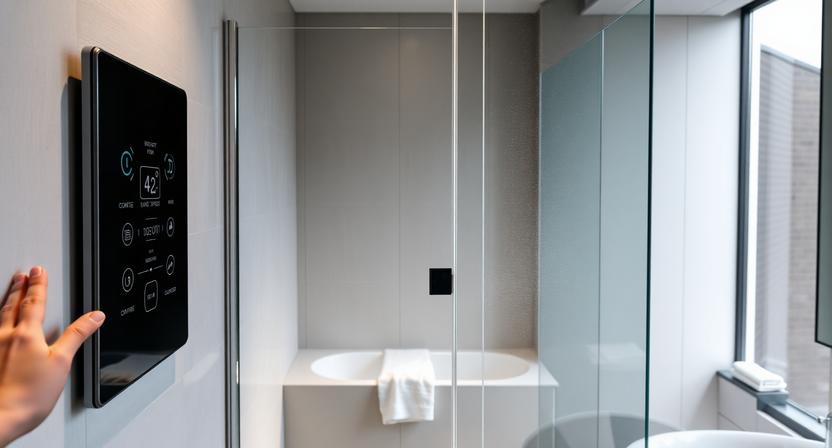
Bathrooms are no longer just functional spaces. They are becoming one of the most upgraded areas in modern homes, shaped by the same technology that has already transformed kitchens, living rooms, and even bedrooms.
What used to be a simple routine, turning on a faucet or stepping into a shower, is now evolving into something far more personalized. Across many homes in the United States, traditional bathtubs and basic shower setups are being replaced or upgraded with smart systems designed to deliver comfort, convenience, and a more tailored experience.
But before making the switch, it is worth understanding what this trend actually offers and where it might fall short.
The Shift From Basic Fixtures to Smart Bathroom Design
For decades, bathroom design focused on materials, tile, and layout. Today, the focus is shifting toward experience.
Smart showers and advanced bathing systems allow users to control water temperature, pressure, lighting, and even entertainment features. Instead of adjusting knobs manually, homeowners can now set preferences digitally or activate them with voice commands.
This change reflects a broader trend in home design. Spaces are no longer static. They adapt to the person using them.
What Makes Smart Showers and Digital Bathing Systems Different
Personalized Settings That Save Time
One of the biggest draws of smart systems is customization. Users can set specific temperatures, water flow levels, and spray patterns in advance.
Instead of adjusting everything each time, the system remembers preferences and delivers the same experience instantly.
Voice Control Adds a New Level of Convenience
Voice activation is quickly becoming one of the most talked-about features in modern bathrooms.
With simple commands, you can start the shower, adjust temperature, or pause the water without touching any controls. This is especially useful during busy mornings or when your hands are wet.
For people with mobility challenges, this hands-free feature can make daily routines significantly easier.
Integration With the Rest of the Home
Many smart shower systems connect with existing home technology. This means you can sync your bathroom with music, podcasts, or other audio while you get ready.
Some setups even allow broader integration with home systems, creating a seamless experience across different rooms.
Why Homeowners Are Drawn to This Trend
Comfort and Control
The ability to fine-tune every aspect of a shower or bath makes the experience feel more relaxing and intentional.
Instead of reacting to the environment, you create it.
A More Modern Lifestyle Fit
As smart homes become more common, having a connected bathroom feels like a natural extension. It aligns with how people already use technology in other parts of their daily routine.
Accessibility Benefits
Voice-controlled systems and preset features can reduce the physical effort required to operate traditional fixtures. This makes them appealing for a wider range of users, including those looking to future-proof their homes.
The Downsides Many People Overlook
Higher Upfront Costs
Smart shower systems are significantly more expensive than traditional setups. Beyond the main unit, additional components like valves, shower heads, and installation materials can add to the total cost.
Compared to standard fixtures, the difference can be substantial.
More Complex Installation
Installing a smart system often involves electrical work, plumbing adjustments, and careful setup of digital components.
This is not typically a simple do-it-yourself project. Most homeowners will need professional installation, which adds time and expense.
Maintenance and Repairs Can Be Complicated
With more technology comes more potential points of failure. If something stops working, repairs may require specialized knowledge or replacement parts that are not as easy to find as traditional components.
Limited Impact on Resale Value
While smart bathrooms can feel luxurious, they do not always translate into higher resale value. Some buyers may see them as a bonus, while others may prefer simpler systems.
Is It Worth Upgrading Your Bathroom Right Now
When It Makes Sense
If you value convenience, enjoy smart home technology, and are already planning a bathroom renovation, adding a smart system can enhance your experience.
It can also be a good fit for households focused on accessibility or long-term usability.
When It Might Not Be Necessary
If your current setup works well and your priority is cost or simplicity, a traditional shower or bathtub may still be the better option.
Not every upgrade needs to be digital to be effective.
What This Trend Says About Modern Homes
The move toward smart bathrooms is less about replacing bathtubs or showers entirely and more about redefining how they function.
People are looking for spaces that respond to their needs, reduce friction in daily routines, and add small moments of comfort to everyday life.
For some, that means stepping into a shower that is already set to the perfect temperature. For others, it may not be worth the added complexity.
The Bottom Line
Traditional bathtubs and showers are not disappearing, but they are no longer the only option.
Smart, voice-controlled systems are changing expectations, turning routine tasks into customizable experiences. Whether that shift feels essential or unnecessary depends on how you use your space and what you value most.
In the end, the best bathroom is not the most advanced one. It is the one that fits your life without making it more complicated.